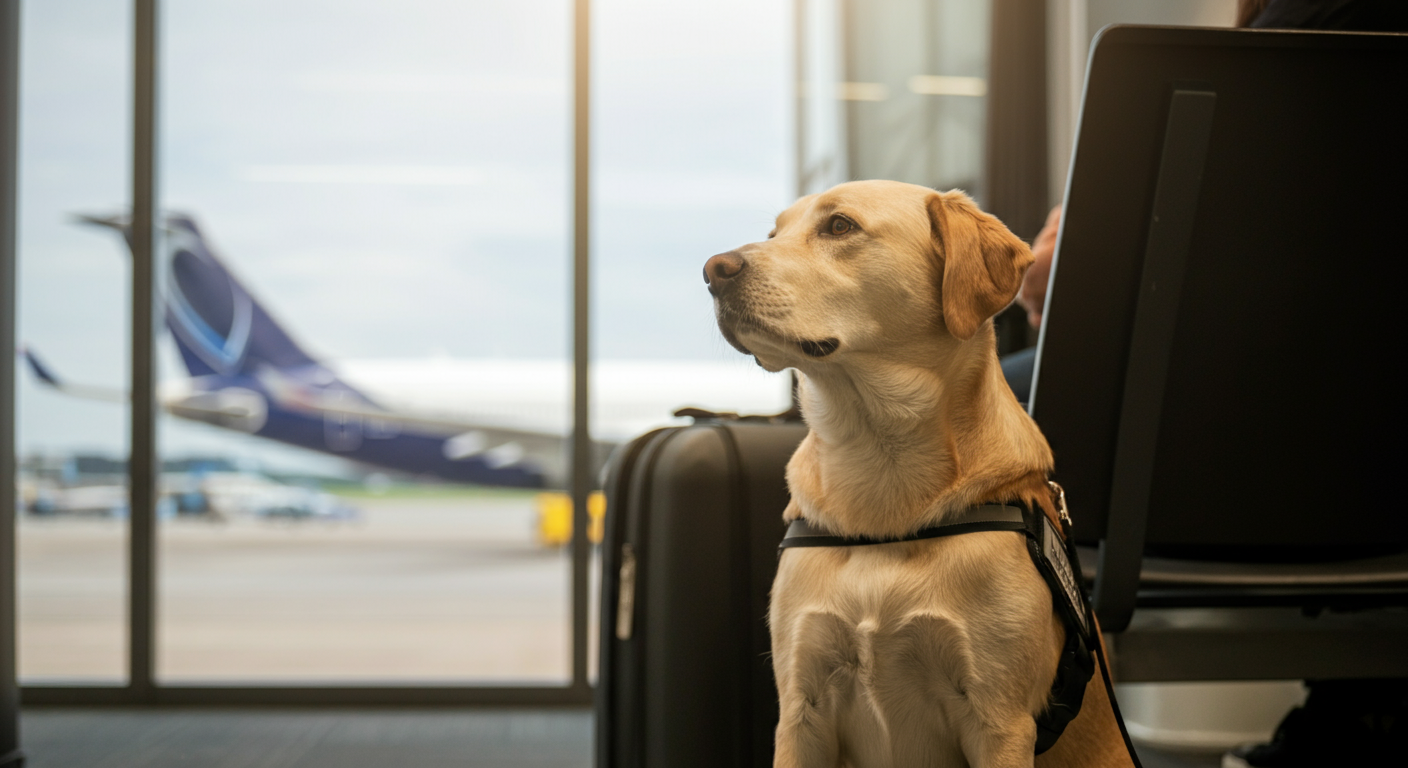
Navigating Airline Pet Policies: A Comprehensive Guide for Service and Emotional Support Animals
Traveling with your beloved animal companion can be a source of joy, but navigating the complex and ever-evolving landscape of airline pet policies, especially concerning service animals and emotional support animals (ESAs), requires careful planning and up-to-date information. At HYBRID, we understand the importance of seamless travel with your animal, and this comprehensive guide is designed to help you understand the latest regulations for 2026.
Understanding the Distinction: Service Animals vs. Emotional Support Animals
Before delving into airline policies, it's crucial to understand the legal and operational differences between service animals and emotional support animals.
- Service Animals: Under the Americans with Disabilities Act (ADA), a service animal is defined as a dog that has been individually trained to do work or perform tasks for an individual with a disability. The task(s) performed by the dog must be directly related to the person's disability. Examples include guiding the blind, alerting the deaf, pulling a wheelchair, or alerting to seizures. Airlines are generally required to permit service animals to accompany passengers with disabilities in the cabin, free of charge, provided certain conditions are met.
- Emotional Support Animals (ESAs): ESAs provide comfort and support to individuals with mental or emotional disabilities simply by their presence. Unlike service animals, ESAs are not trained to perform specific tasks related to a disability. Due to changes in regulations, particularly the Department of Transportation's (DOT) updated Air Carrier Access Act (ACAA) rules, airlines are no longer required to recognize ESAs as service animals. This means ESAs are now generally treated as pets, subject to standard pet fees and restrictions.
Key Airline Regulations for Service Animals (2026)
For service animals, airlines generally follow the DOT's ACAA regulations. Here’s what you need to know:
- DOT Service Animal Air Transportation Form: Airlines will typically require passengers traveling with service animals to complete and submit the U.S. Department of Transportation Service Animal Air Transportation Form. This form attests to the animal's health, training, and behavior.
- Behavior and Training: Service animals must be well-behaved and under the control of their handler at all times. They should not pose a direct threat to the health or safety of others, or cause a significant disruption in the cabin or at the airport.
- Size and Space: The service animal must be able to fit at the handler's feet, under the seat, or in the handler's lap (if it's a small animal and doesn't impede aisle access) without encroaching on another passenger's space.
- Number of Service Animals: Generally, airlines permit one service animal per passenger with a disability.
- Breed Restrictions: While some airlines previously had breed restrictions for certain animals, the DOT's current rules generally prohibit airlines from denying transport to a service animal based solely on its breed.
- International Travel: For international flights, additional requirements may apply, including specific vaccinations, health certificates, and quarantine laws for the destination country. Always check the regulations of your destination and any layover countries well in advance.
Traveling with Emotional Support Animals (ESAs) in 2026
As mentioned, ESAs are generally no longer considered service animals by airlines. This means:
- Pet Policies Apply: Your ESA will likely be treated as a pet. This means they will be subject to the airline's standard pet policies, which may include size and weight restrictions, travel in a carrier, and associated pet fees.
- In-Cabin vs. Cargo: Smaller ESAs that meet carrier requirements may be allowed in the cabin if they can fit under the seat in front of you. Larger animals may need to travel in cargo, which can have its own set of risks and regulations.
- Documentation: While not required for ESA status by airlines, having documentation from a licensed mental health professional can still be beneficial for other aspects of your life (e.g., housing).
General Tips for Traveling with Any Animal
- Book Early: Pet and service animal spaces on flights can be limited. Book your tickets and notify the airline about your animal as early as possible.
- Veterinary Visit: Schedule a vet visit before your trip to ensure your animal is healthy and up-to-date on all vaccinations. Obtain a health certificate if required.
- Proper Identification: Ensure your animal has proper identification, including tags with your contact information. For service animals, a vest or harness can help identify their working status.
- Prepare for the Airport: Exercise your animal before arriving at the airport. Limit food and water a few hours before the flight to prevent accidents.
- Comfort and Safety: Bring familiar items for your animal, such as a favorite toy or blanket, to help them feel more comfortable.
- Check Airline Websites: Always consult the specific airline's official website for their most current and detailed pet and service animal policies. Policies can change, and it's your responsibility to be informed.
Traveling with your animal companion, whether a service animal or an ESA, requires diligence and preparation. By understanding the current airline policies and preparing accordingly, you can ensure a smoother and more enjoyable journey for both you and your animal. HYBRID is committed to providing you with the most relevant information to make your travels stress-free.
Want to upgrade your customer service?
Start your free trial of Hybrid Reply today.
Get Started Free